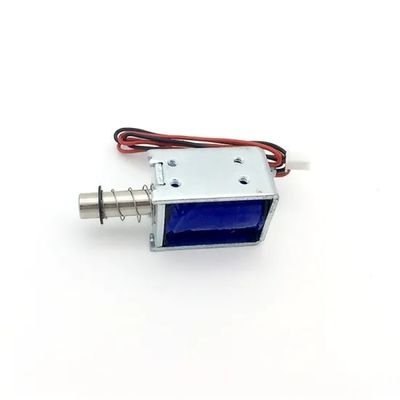
Livestock feed dispensers and feeding gates, irrigation and dosing valve control, drone payload release, construction, forestry and garden machinery controls, and mode-shift actuators inside cordless power tools. Housings are tight, power comes from a battery pack, and the machine gets dropped.
| Power | 12/24 V battery rail; near-zero standby drain |
|---|---|
| Environment | Dust, moisture and mechanical shock |
| Space | Tight housings; short stroke 2–6 mm |
| Typical choice | Sealed tubular or open-frame solenoid |
These are the ranges that come up most often in enquiries for this application. They are a starting point for discussion, not a specification — the numbers that matter are the ones from your mechanism.
Doubling the force in the same envelope usually means a larger coil and more heat. If the space is fixed, the honest answer is sometimes a different mechanism.
A faster actuation is louder. End-stop damping, a softer return spring or a reduced drive voltage all trade response time for acoustic performance.
Bearing surfaces, plunger coating and spring quality set the life. These are the first things a low-cost quote removes.
A feedback switch adds cost and a wire, but tells the controller the bolt actually moved. Without it, "locked" is an assumption.
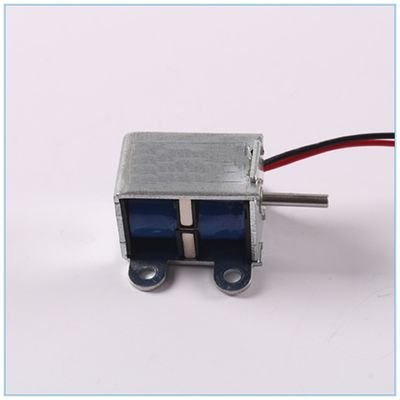
Automotive Push-Pull Solenoid
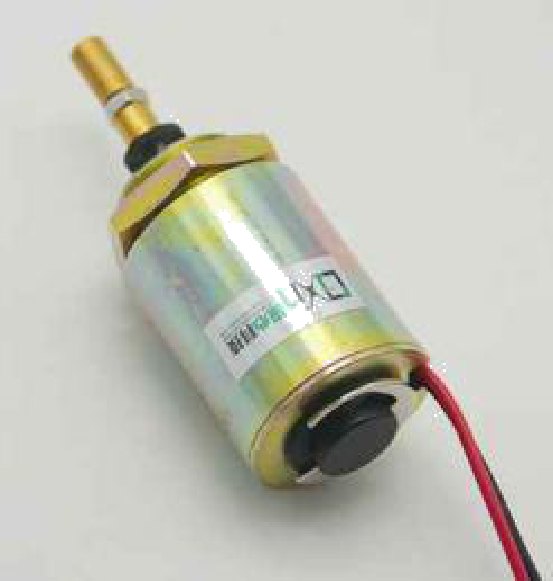
25 mm Tubular Solenoid, 30 mm Body

Open-frame U0420L/S
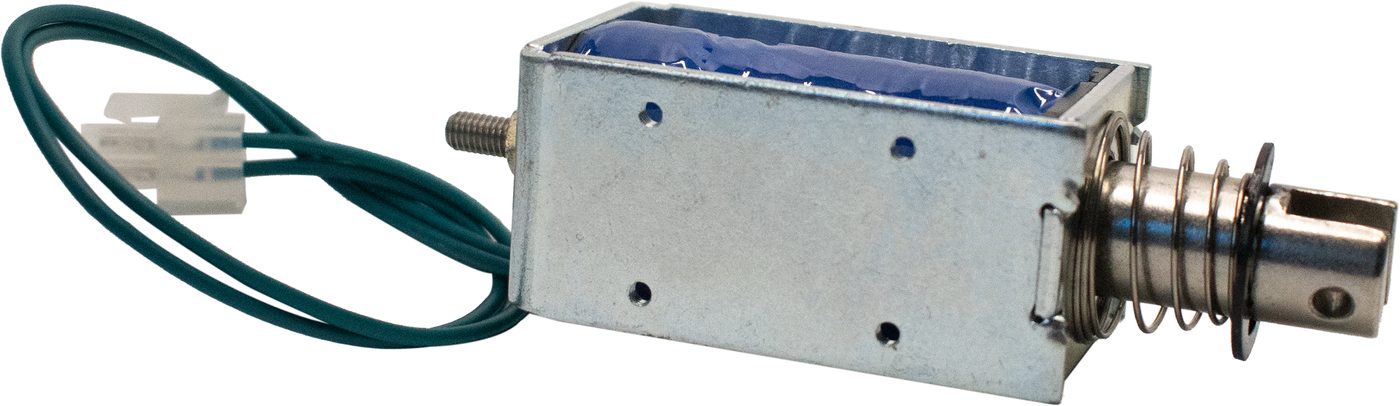
Open-frame U1564L/S
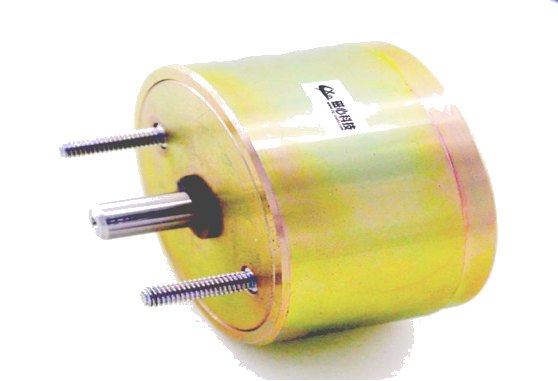
Rotary XZ8656L
Rotary XZ5040L
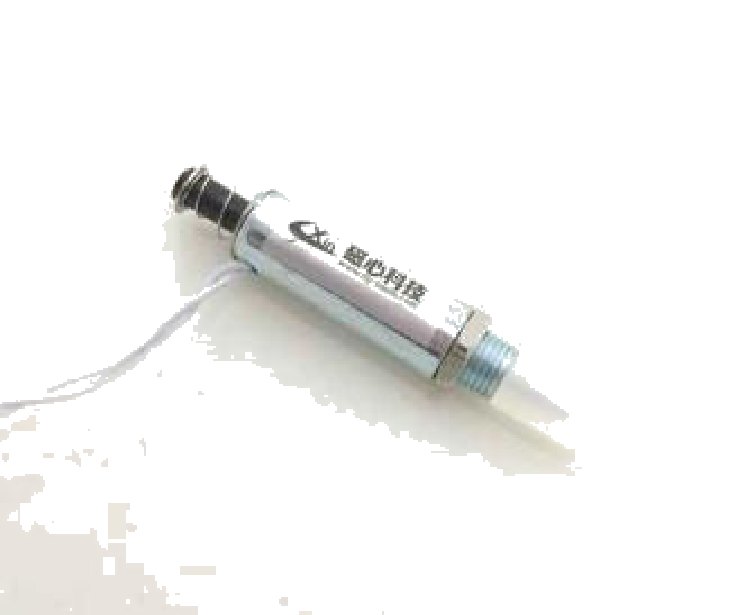
Tubular T0925L/S
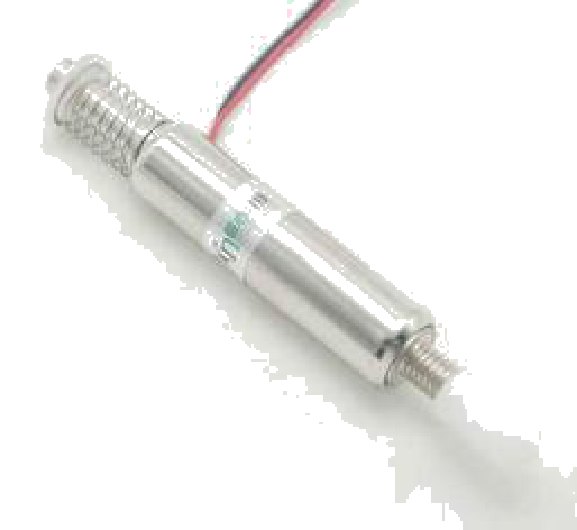
Tubular T1348L/S
Tubular T1632L/S
Enough to clear the strike plate under load, plus 1–2 mm of margin. Most cabinet and locker bolts land between 5 and 12 mm; electronic deadbolts are often 3–8 mm. Measure the worst-case mechanical clearance, not the nominal.
Yes, if the holding state draws no current. A latching design holds magnetically after a short pulse, so the energy per operation is the pulse only. A spring-return design that stays energised will flatten a small battery in weeks.
That is a design decision, not a solenoid property. Fail-secure holds the door locked with no power; fail-safe releases it. Latching types can be built either way, and both usually need a mechanical release for service access.
It depends on load, stroke and the impact at the end stop — a number without those conditions is marketing. Ask for the cycle test report with the load and stroke stated.
Send the mechanism constraints and an engineer will propose a type, a coil and a sample plan.