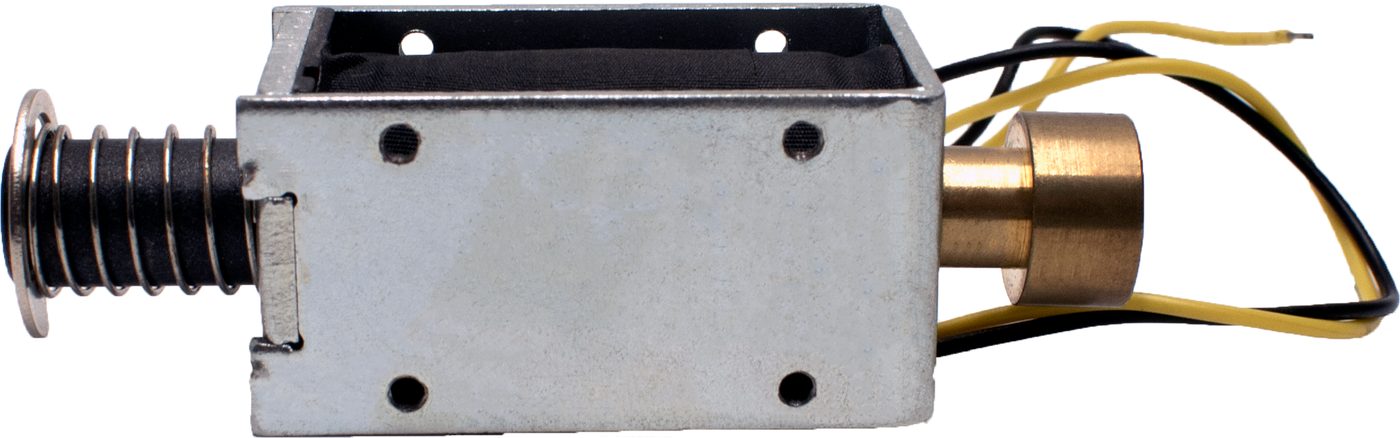
Pick-and-place releases, chutes, sorters, clamp-and-release fixtures, labelling and packaging knife drives, robot end-effector releases — plus needle positioners and thread cutters on sewing and embroidery machinery. The solenoid is a moving part in a machine whose downtime costs more per hour than the component.
| Cycle rate | Up to several operations per second at 24 V DC |
|---|---|
| Response | Pull-in in tens of milliseconds, stroke 2–10 mm |
| Duty | Heavy intermittent duty; heat is the design limit |
| Typical choice | Push-pull or tubular solenoid, heavy-duty plunger |
These are the ranges that come up most often in enquiries for this application. They are a starting point for discussion, not a specification — the numbers that matter are the ones from your mechanism.
Doubling the force in the same envelope usually means a larger coil and more heat. If the space is fixed, the honest answer is sometimes a different mechanism.
A faster actuation is louder. End-stop damping, a softer return spring or a reduced drive voltage all trade response time for acoustic performance.
Bearing surfaces, plunger coating and spring quality set the life. These are the first things a low-cost quote removes.
A feedback switch adds cost and a wire, but tells the controller the bolt actually moved. Without it, "locked" is an assumption.
Compact Open-Frame Push-Pull Solenoid
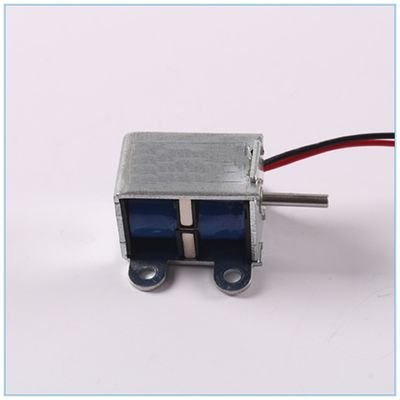
Automotive Push-Pull Solenoid
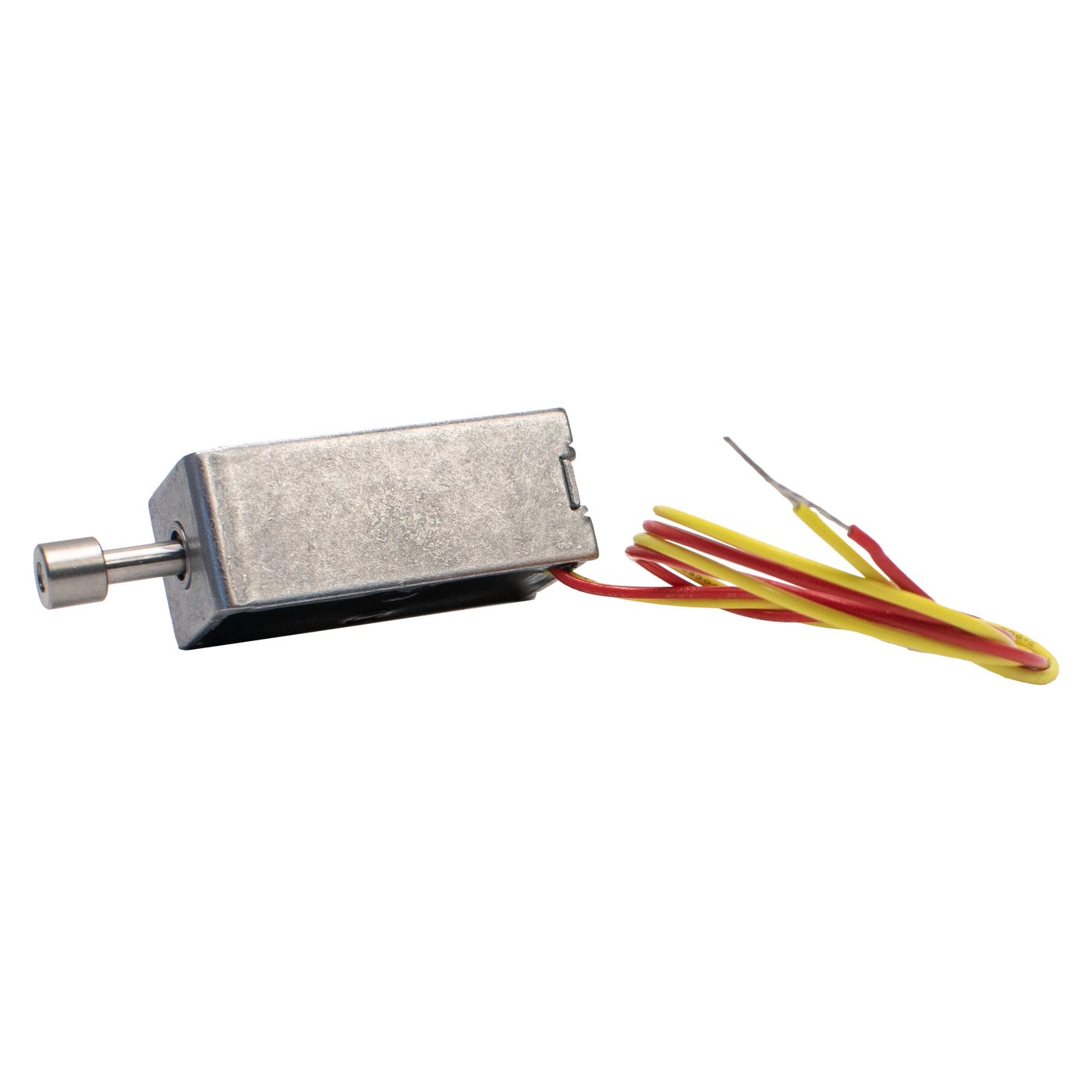
Square Latching Solenoid
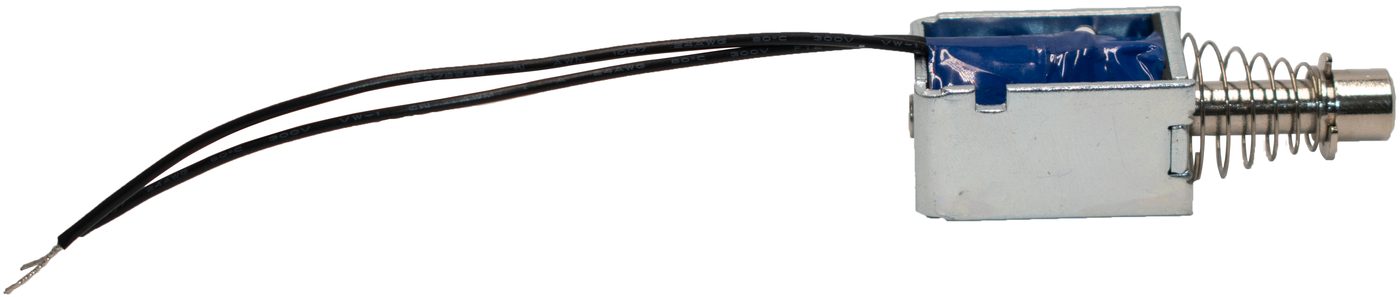
Open-frame U0630L/S
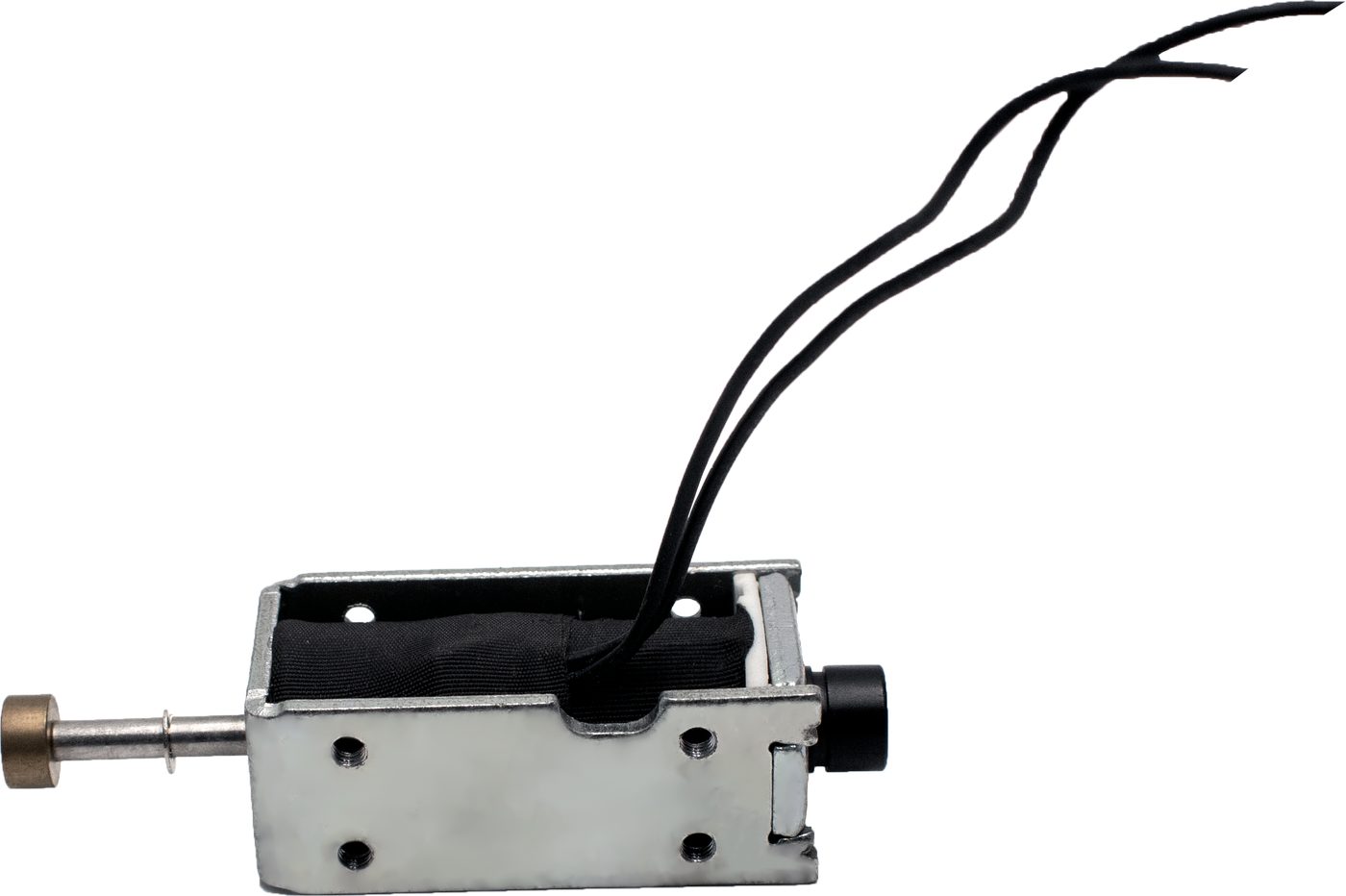
Open-frame U0946L/S
Open-frame U1146L/S
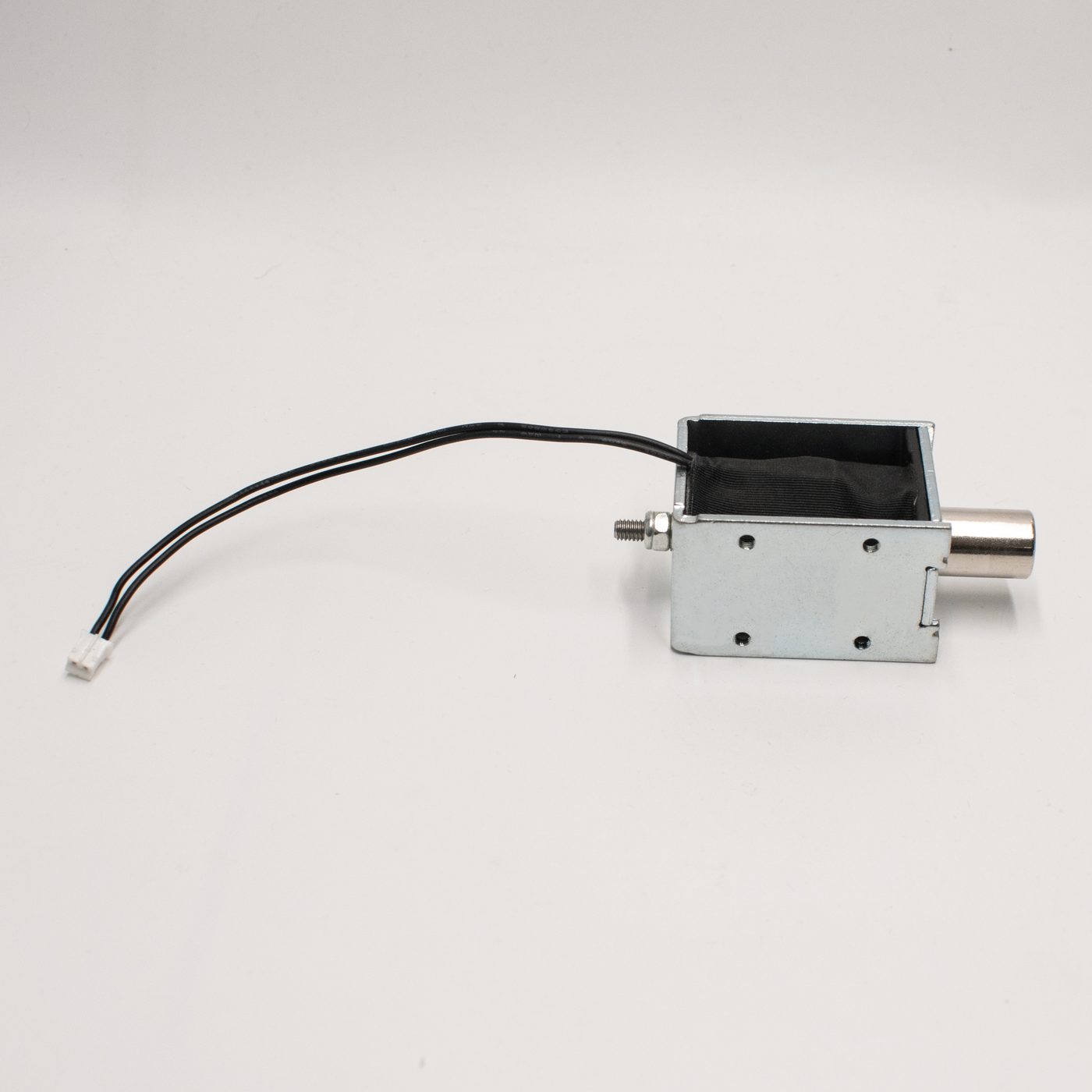
Open-frame U1245L/S
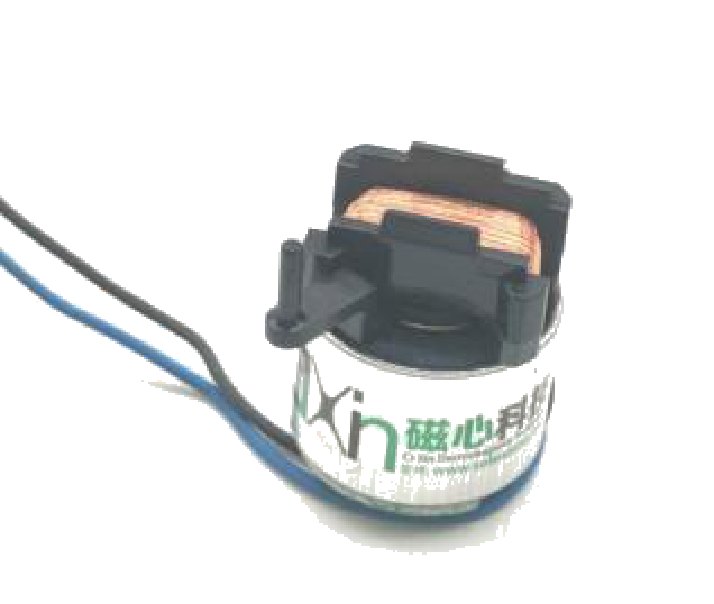
Rotary SW1215L
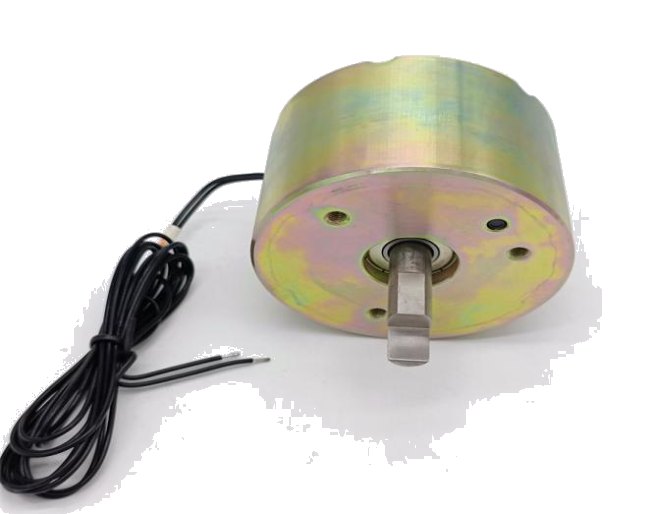
Rotary XZ7553L
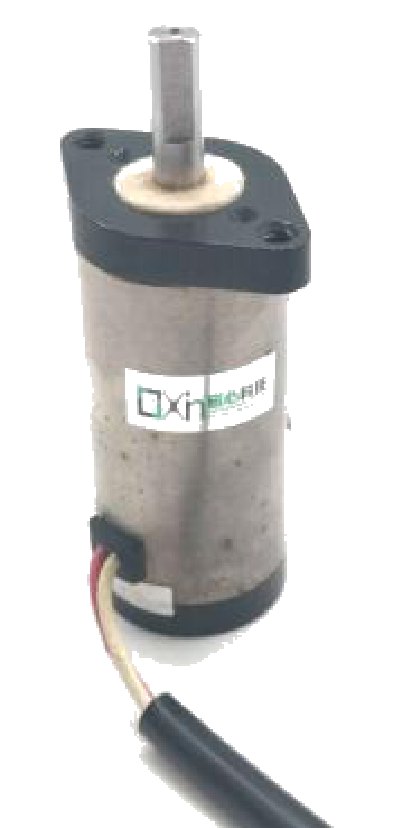
Rotary XZ2661L
Rotary XZ3035L
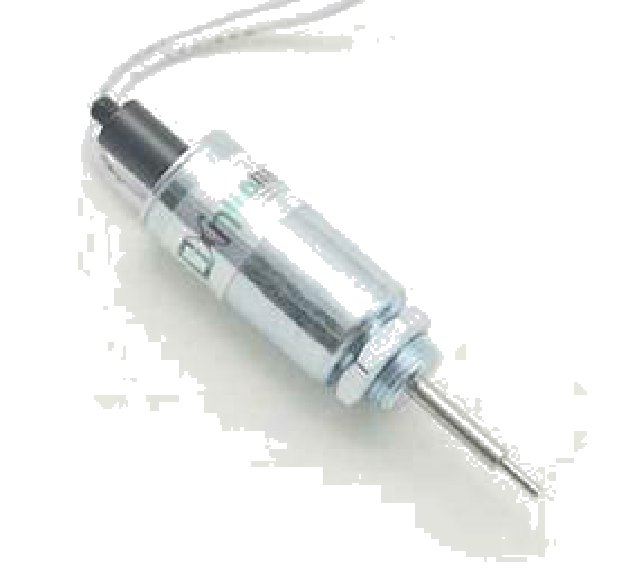
Tubular T1325L/S
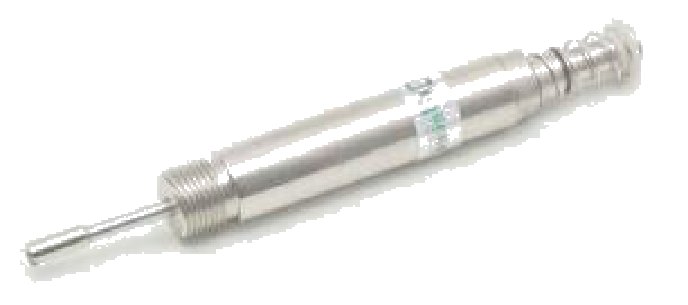
Tubular T1340L/S
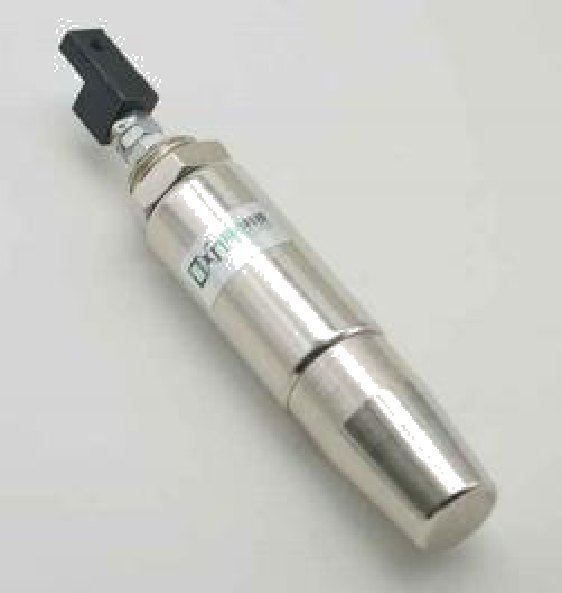
Tubular T2070L/S
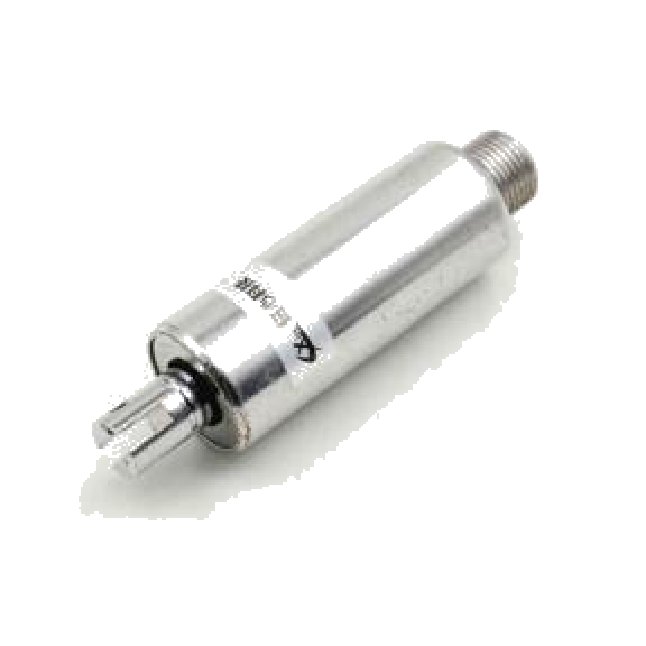
Tubular T2551L/S
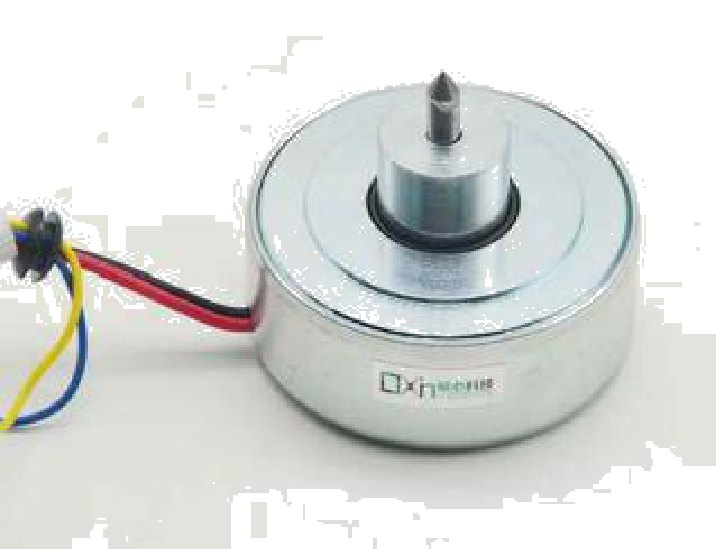
Tubular T6025S
A small tubular unit on 25% duty completes a stroke-and-return in 50–100 ms. The limit is heat, not mechanics: sustained rates need the duty cycle calculated for your actual on-time, and that calculation is part of the proposal.
The plunger face and the stop seat take the impact every cycle. Hard-coated or replaceable stop parts are offered for high-cycle builds, and cycle test data at your stroke and load is available.
Yes — send the drawing of the current unit and we will quote a replacement that drops into the same mounting, or tell you honestly if the performance you want needs a different shape.
Send the mechanism constraints and an engineer will propose a type, a coil and a sample plan.